

Most longevity peptides act on signalling: growth hormone secretagogues, NAD precursors, senolytics. SS-31 is different. It is a four-amino-acid peptide that physically anchors itself to a phospholipid called cardiolipin on the inner mitochondrial membrane, and as of September 2025 it became the first mitochondria-targeted peptide ever approved by the FDA. This guide walks through the mechanism, the clinical record (including where trials missed their primary endpoints), and what the aging research actually supports.
Key takeaways#
- SS-31 is a synthetic tetrapeptide (D-Arg-Dmt-Lys-Phe-NH₂) developed by the Szeto-Schiller group at Cornell that binds cardiolipin in the inner mitochondrial membrane and stabilises cristae architecture.
- The FDA granted accelerated approval to elamipretide (brand name Forzinity) on 19 September 2025 for Barth syndrome, making it the first approved mitochondria-targeted peptide in history.
- In a randomised placebo-controlled trial in 39 older adults aged 60-85, a single 2-hour intravenous infusion raised hand-muscle mitochondrial ATP capacity right after dosing (borderline significance), with no effect on fatigue resistance and no difference by day 7.
- The PROGRESS-HF Phase 2 trial in heart failure with reduced ejection fraction missed its primary endpoint at 4 weeks, illustrating that mechanistic promise does not automatically translate to clinical outcomes.
- Klarovel does not sell SS-31 or any other compound. The FDA-approved product, Forzinity, is labeled for Barth syndrome patients weighing at least 30 kg, at 40 mg subcutaneously once daily.
Why cardiolipin is the right target for mitochondrial aging#
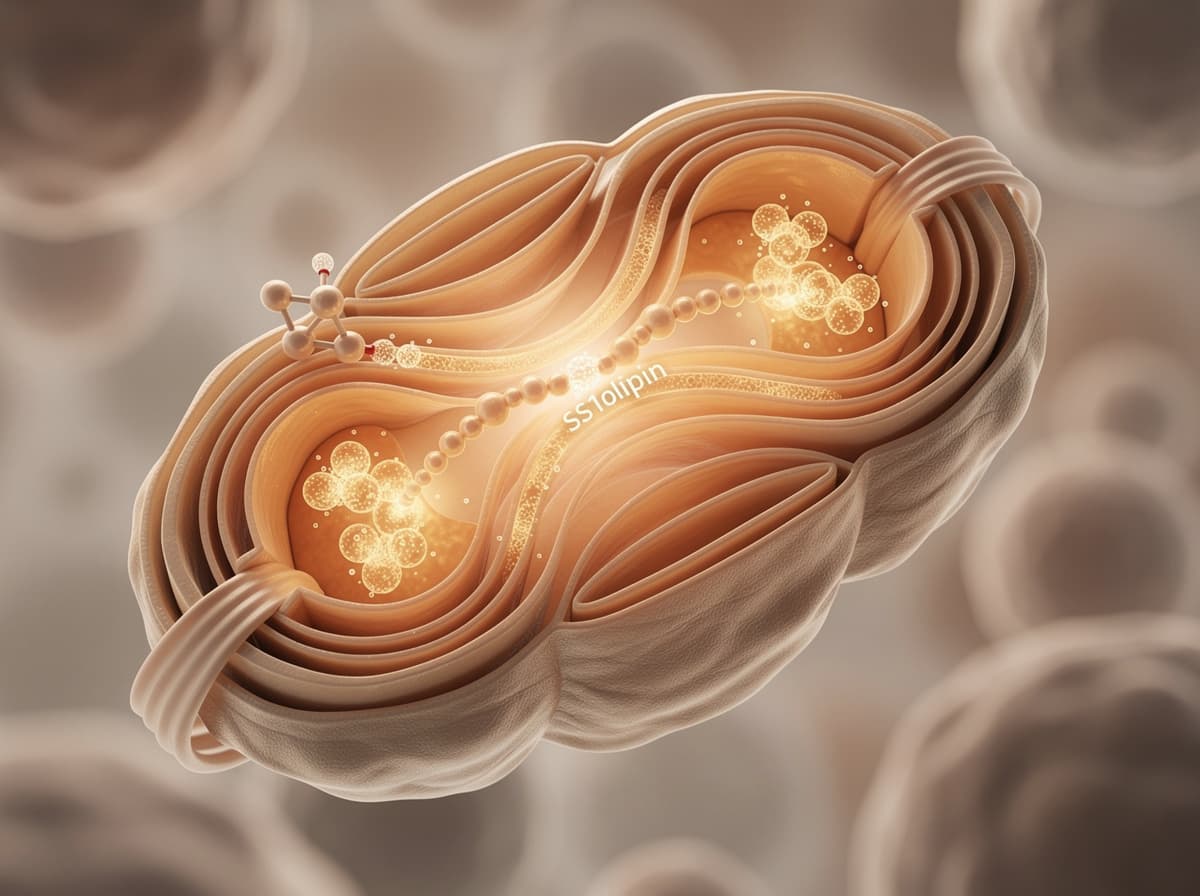
Cardiolipin is a phospholipid found almost exclusively on the inner mitochondrial membrane, and it holds the architecture of the electron transport chain in place. When cardiolipin oxidises or remodels poorly (as happens with aging and in genetic disorders like Barth syndrome), the respiratory chain supercomplexes destabilise, ATP output falls, and reactive oxygen species production climbs.
SS-31 was engineered to solve exactly this problem. Elamipretide localizes to the inner mitochondrial membrane and binds to cardiolipin via electrostatic interactions due to its positively charged amino acid residues. This binding stabilizes cardiolipin, preventing oxidative damage and maintaining respiratory chain integrity. Mechanistic work published in 2025 confirms that elamipretide binds to cardiolipin on the inner mitochondrial membrane, stabilizing respiratory chain supercomplexes, enhancing electron transport efficiency, and reducing reactive oxygen species production .
The selectivity is what makes it interesting. Despite their strong positive charge density (formal charge of +3), exogenously added SS peptides traverse the plasma membrane in an energy-independent and non-saturable manner, and accumulate strongly (1000 to 5000-fold) at the mitochondrial inner membrane . A peptide that concentrates a thousand-fold at the exact organelle responsible for cellular energetics is, in mechanistic terms, an unusually clean tool.
Research suggests this is not classical antioxidant activity. Early studies inaccurately described ELAM as having antioxidant properties, although more recent work has demonstrated that ELAM actually decreases production of superoxide and H₂O₂ particularly where overproduction resulted from dysfunctional mitochondria . The peptide reduces ROS at the source by restoring electron transport efficiency, not by scavenging free radicals after the fact.
The FDA approval changed the regulatory landscape#
For two decades, mitochondria-targeted peptides existed in a clinical limbo: promising preclinical data, sprawling trial programs, no approvals. That changed in autumn 2025.
On September 19, 2025, the U.S. Food and Drug Administration (FDA) granted accelerated approval to elamipretide, the first therapy directly targeting the mitochondrial etiology of BTHS (Barth syndrome). According to Stealth BioTherapeutics, FORZINITY was granted accelerated approval by the U.S. Food & Drug Administration (FDA) in September 2025 as the first FDA-approved treatment for Barth syndrome, as well as the first FDA-approved mitochondria-targeted therapeutic .
The approval is narrow. The Food and Drug Administration (FDA) has granted accelerated approval to Forzinity™ (elamipretide HCl) to improve muscle strength in adult and pediatric patients with Barth syndrome weighing at least 30kg . Barth syndrome is genuinely rare: Barth syndrome occurs primarily in males and is estimated to affect one in 1,000,000 male births or around 150 known individuals in the United States .
The approval pathway also tells you something honest about the evidence base. Findings showed treatment with elamipretide did not statistically significantly improve distance walked during the 6-minute walk test and total fatigue score on the Barth syndrome assessment compared with placebo (primary endpoints). While increases in knee extensor muscle strength were not observed during the randomized trial, improvement was seen during the open-label extension period. The accelerated approval rested on knee extensor strength as an intermediate endpoint, with confirmatory clinical benefit still to be verified. Read the FDA integrated review and the PubMed summary of the approval for the regulatory specifics.
This matters for longevity framing. Approval validates that cardiolipin binding produces measurable functional improvement in a population with profound cardiolipin dysfunction. It does not yet validate the broader anti-aging claims that often appear in wellness marketing.
What the aging-muscle trial actually showed#
The most relevant study for a longevity audience is the single-dose elamipretide trial in older adults. The design was rigorous and the cohort was specifically selected for the problem the peptide is meant to address.
Here, we describe the impact of a first-in-class cardiolipin-binding compound that is targeted to mitochondria and improves oxidative phosphorylation capacity (Elamipretide, ELAM) in a randomized, double-blind, placebo-controlled clinical trial. Non-invasive magnetic resonance and optical spectroscopy provided measures of mitochondrial capacity (ATPmax) with exercise and mitochondrial coupling (ATP supply per O2 uptake; P/O) at rest. The first dorsal interosseous (FDI) muscle was studied in 39 healthy older adult subjects (60 to 85 yrs of age; 46% female) who were enrolled based on the presence of poorly functioning mitochondria.
The dose was a single 2-hour intravenous infusion, not a subcutaneous injection. Immediately after the infusion, maximal mitochondrial ATP production (ATPmax) rose relative to placebo (percent change p = 0.045; absolute change p = 0.055). The effect was gone by day 7, consistent with the short half-life in blood, resting mitochondrial coupling did not change, and there was no significant effect on fatigue resistance. The full results are published in the PMC open-access record. This is preliminary evidence that cardiolipin binding can shift muscle bioenergetics in healthy older humans within hours, not evidence of a lasting functional benefit.
The mouse data points in the same direction. Chronic ELAM administration (8 weeks to 48 weeks) increases exercise tolerance, muscle mass, fatigue resistance, and in vivo ATPmax. Other studies have shown beneficial effects on cardiac diastolic function in aging mice. Crucially, a 2025 Aging Cell paper added important nuance: elamipretide restores cardiac and skeletal muscle performance in aged mice by improving mitochondria and reducing inflammation. Elamipretide improved physical function in aged mice without lowering biological age, which was estimated using molecular markers in DNA and gene activity.
Translation: the peptide is associated with improved physical function, but it does not appear to reset epigenetic age. It is a functional intervention, not a chronological clock reset.
The heart failure data is more complicated#
If you read marketing copy on SS-31, you will see confident claims about cardiac protection. The actual Phase 2 record is more mixed. The PROGRESS-HF trial was the cleanest test of chronic dosing in heart failure with reduced ejection fraction.
The mean age (standard deviation) of the study population was 65 ± 10 years, 24% were females, and the mean EF was 31% ± 7%. The change in LVESV from baseline to week 4 was not significantly different between elamipretide 4 mg (89.4 mL to 85 mL; difference, -4.4 mL) or 40 mg (77.9 mL to 76.6 mL; difference, -1.2 mL) compared with placebo (77.7 mL to 74.6 mL; difference, -3.8 mL) . The published conclusion was direct: elamipretide was well tolerated but did not improve LVESV at 4 weeks in patients with stable HFrEF compared with placebo .
Reviewers have argued the trial may have been too short. Possibilities to explore include longer therapy duration than the four weeks tested in the PROGRESS-HF trial, since animal-model studies tested three months of Elamipretide therapy, perhaps longer therapeutic durations are required for cardiac remodeling and correction of abnormal mitochondrial dynamics in heart failure. That is a reasonable hypothesis. It is not yet a clinical conclusion. The PROGRESS-HF publication in Journal of Cardiac Failure remains the primary source.
The ophthalmology program has produced similar signals: mechanistically interesting, primary endpoints not met. Although the trial's primary endpoints of mean change in LLVA and GA progression were not met, these analyses were found to be promising and to support and inform the continued development of elamipretide for dry AMD. Phase 3 trials (ReNEW and ReGAIN) are now running.
The honest summary: SS-31 has shown mechanistic effects on mitochondrial function in humans. Its clearest functional signal is knee extensor strength in Barth syndrome, seen in the open-label extension rather than the randomized phase. It has not yet hit primary endpoints in the larger cardiac, ophthalmic and primary mitochondrial myopathy trials (the phase 3 MMPOWER-3 trial in 218 patients missed both primary endpoints, per Karaa et al., Neurology 2023).
Dosing context (from the clinical record, not from forums)#
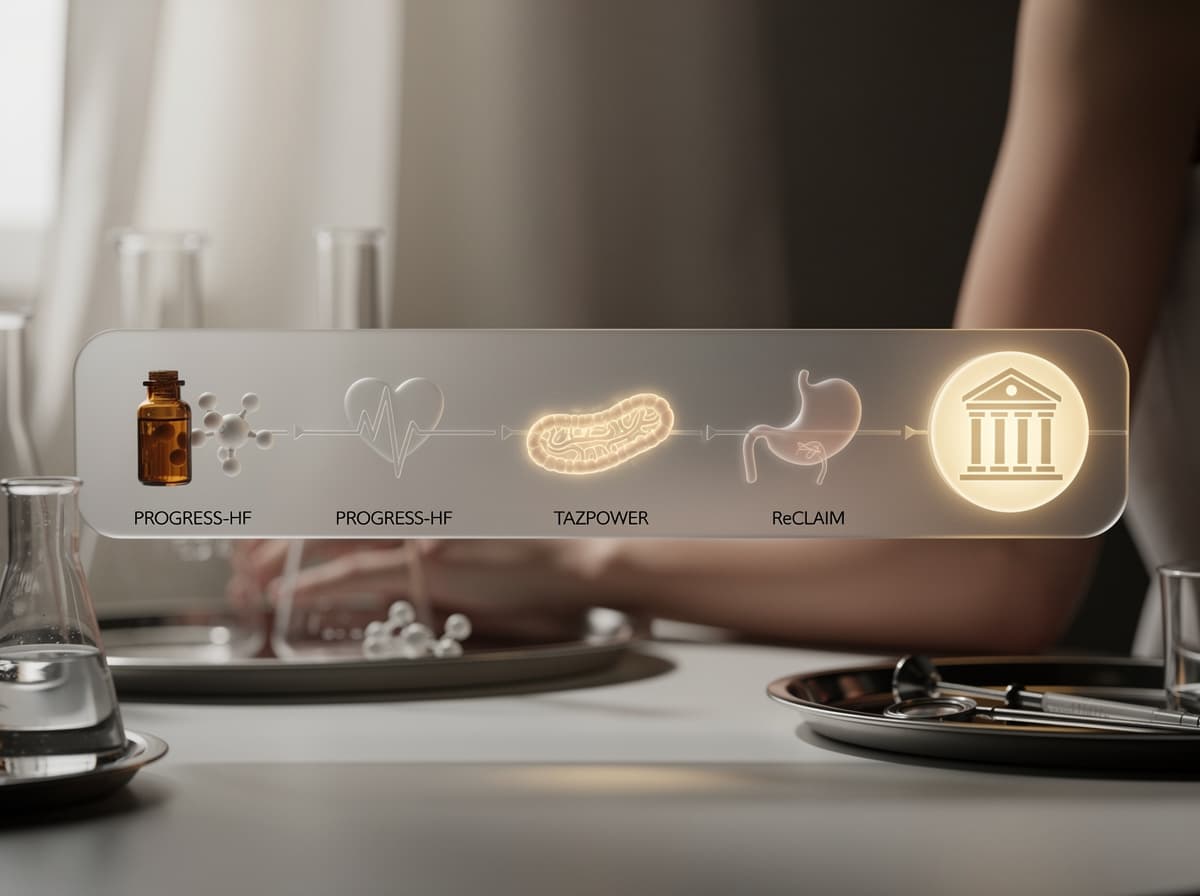
Most of the chronic-dosing human trials of SS-31 have used 40 mg subcutaneously once daily, which is also the FDA label dose. The exceptions matter: the aging-muscle trial above used a single intravenous infusion, and PROGRESS-HF tested a 4 mg arm alongside 40 mg. The Barth syndrome trial used single daily subcutaneous (SC) doses of 40 mg elamipretide administered for 12 weeks followed by an open-label extension. The ReCLAIM ophthalmology trial used daily subcutaneous elamipretide (40 mg) for 24 weeks in individuals with dry AMD . The PROGRESS-HF trial tested both 4 mg and 40 mg arms.
The most common adverse event is consistent across trials. The most common adverse reactions were injection site reactions which can be treated with oral antihistamines or topical corticosteroids. The PubMed accelerated approval review confirms the same safety signal.
Anyone calculating doses should use precise reconstitution math rather than online conversion charts. Klarovel's peptide calculator handles concentration, volume, and syringe gradation for any peptide entry, including SS-31.
How SS-31 fits into a mitochondrial longevity stack#
The intellectual appeal of SS-31 is that it acts at a layer most longevity interventions ignore. NAD precursors restore a cofactor. Exercise drives biogenesis. Senolytics clear failing cells. SS-31 stabilises the membrane architecture inside the mitochondria themselves.
That makes it complementary rather than redundant with the rest of the mitochondrial toolkit. Preclinical data points to combined effects with cofactor-based interventions, though no head-to-head human trial has been published. SS-31 does not replace exercise, sleep, or metabolic basics, all of which remain the strongest evidence-backed inputs for mitochondrial health.
Klarovel's protocol layer treats SS-31 as an option for users who already have the lifestyle fundamentals in place and are working with a clinician. Klarovel sells nothing; it curates the protocol design, the dose band (5 mg to 40 mg once daily depending on experience, never above the 40 mg label dose) and the monitoring framework. See how it works for the full model.
The bottom line on SS-31#
SS-31 is the most mechanistically precise mitochondrial peptide in clinical development and the first to win an FDA approval. The cardiolipin-binding mechanism is well-characterised, the Barth syndrome data supports the biology in humans, and the aging-muscle trial shows a short-lived bioenergetic effect after one infusion. The cardiac and ophthalmic Phase 2 trials and the phase 3 mitochondrial myopathy trial missed their primary endpoints, which should temper any oversold benefits while the dry AMD phase 3 trials (ReNEW, primary completion estimated August 2027) mature. If mitochondrial function is a serious part of your longevity strategy, register for a Klarovel protocol to map SS-31 into a monitored framework, or run the numbers on the peptide calculator before any decision.
Frequently asked questions
Keep reading

Wegovy Pill: How It Works, How to Take It, and Results
The Wegovy pill is semaglutide 25 mg taken daily, FDA-approved for weight loss in December 2025. How to take it, how well it works, and how it compares.

5-Amino-1MQ Guide: What the NNMT Evidence Actually Shows
5-Amino-1MQ is sold for fat loss, but every published result is preclinical. Read the NNMT mechanism, the circulating dosing range, and its FDA status.

Peptides for Men: What Works by Goal and Evidence Stage
Men search peptides for seven goals: muscle, fat loss, libido, hormones, recovery, hair, longevity. Here is the FDA status and trial evidence behind each.