
Tirzepatide starts at 2.5 mg once weekly for 4 weeks, then steps up by 2.5 mg every 4 weeks to a maintenance dose of 5, 7.5, 10, 12.5 or 15 mg. At the top 15 mg dose in SURMOUNT-1, adults with obesity lost 20.9% of their body weight on average over 72 weeks (22.5% among those who stayed on treatment). It is a dual GIP/GLP-1 receptor agonist, sold as Mounjaro for type 2 diabetes and Zepbound for obesity, and in the head-to-head SURMOUNT-5 trial it produced about 6.5 percentage points more weight loss than semaglutide.
What tirzepatide is#
Tirzepatide is a synthetic 39-amino-acid peptide engineered to activate two receptors in the same molecule: glucose-dependent insulinotropic polypeptide (GIP) and glucagon-like peptide-1 (GLP-1). The structure is modified from a native GIP backbone with a C20 fatty-acid tail that binds albumin and extends the half-life to approximately five days, enabling once-weekly subcutaneous dosing.
Studies have shown GLP-1 agonism suppresses appetite, slows gastric emptying, and stimulates glucose-dependent insulin release. GIP agonism augments insulin secretion and has been shown to have independent effects on adipose tissue. The combination produces larger average weight loss than either pathway alone, a finding confirmed across the Phase 3 SURMOUNT and SURPASS programs.
The efficacy data#
Obesity: SURMOUNT-1. SURMOUNT-1 (Jastreboff et al., NEJM 2022, n=2,539) randomized adults with obesity 1:1:1:1 to tirzepatide 5 mg, 10 mg, 15 mg or placebo for 72 weeks.
It reported the result two ways, and almost nobody says which one they are quoting.
| Dose | Treatment-regimen estimand | Efficacy estimand |
|---|---|---|
| 5 mg | −15.0% | −16.0% |
| 10 mg | −19.5% | −21.4% |
| 15 mg | −20.9% | −22.5% |
| Placebo | −3.1% | −2.4% |
The treatment-regimen estimand is intention-to-treat: it counts everyone randomized, including those who stopped. The efficacy estimand conditions on staying on the drug as assigned.
The number in general circulation, including in Klarovel's own earlier version of this page, is 22.5%. That is the efficacy estimand. The intention-to-treat figure for the same dose in the same trial is 20.9%.
Neither is wrong, and the gap is not large. What matters is which question each answers. If you are asking what happened to people prescribed tirzepatide, 20.9% is the number. If you are asking what happens to someone who takes it as directed for 72 weeks, 22.5% is the number. The distinction is load-bearing here because tirzepatide is a continuous-use drug and a meaningful number of trial participants stopped taking it.
Discontinuation for adverse events in SURMOUNT-1 ran 4.3% at 5 mg, 7.1% at 10 mg, 6.2% at 15 mg, against 2.6% on placebo. Note that it does not climb steadily with dose: the peak is the 10 mg arm, not the 15 mg one. Most gastrointestinal side effects concentrate during escalation rather than at the maintenance dose, which is a better explanation of that shape than dose alone.
Obesity, head-to-head vs semaglutide: SURMOUNT-5. The NEJM head-to-head trial (2025) directly compared tirzepatide (up to 15 mg) and semaglutide (up to 2.4 mg, then the highest approved dose) in adults with obesity without diabetes. Primary endpoint (treatment-regimen estimand) at 72 weeks: -20.2% with tirzepatide vs -13.7% with semaglutide. The waist-circumference effect was similarly separated: -18.4 cm vs -13.0 cm.
Type-2 diabetes: SURPASS program. Across the SURPASS trials, tirzepatide outperformed its comparators (semaglutide 1 mg, insulin degludec and insulin glargine) on HbA1c reduction. SURPASS-2 compared tirzepatide 5, 10 and 15 mg against semaglutide 1 mg weekly in adults with type-2 diabetes, and all three tirzepatide doses were superior.
Cardiovascular outcomes: SURPASS-CVOT. In 13,299 adults with type 2 diabetes and atherosclerotic cardiovascular disease, tirzepatide was noninferior to dulaglutide on major cardiovascular events (hazard ratio 0.92; superiority not met), published in NEJM in December 2025. A placebo-controlled outcomes trial in people with obesity without diabetes is still in progress.
Obstructive sleep apnea. Zepbound is also FDA-approved to treat moderate to severe obstructive sleep apnea in adults with obesity, at a maintenance dose of 10 or 15 mg.
Tirzepatide dosage chart: every approved strength#
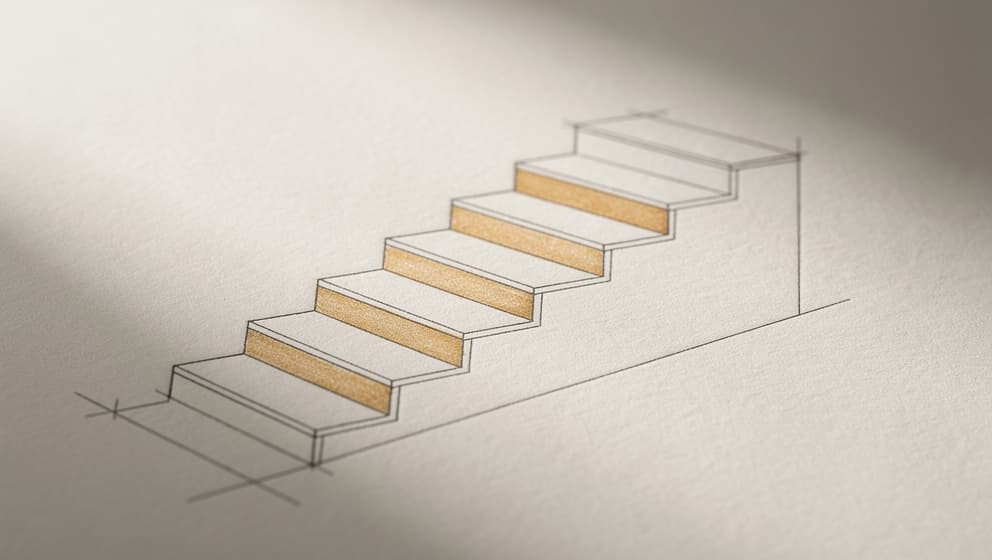
The tirzepatide dosage chart below is the full escalation schedule. Tirzepatide dosing follows it strictly to minimize gastrointestinal side effects, and the standard tirzepatide dosage steps below come directly from the SURMOUNT and SURPASS protocols:
| Phase | Weekly dose | Duration | Tested as its own SURMOUNT-1 arm? | Outcome at 72 weeks (ITT) |
|---|---|---|---|---|
| Start | 2.5 mg | Weeks 1–4 | No. Escalation step only | no arm |
| Step 1 | 5 mg | Weeks 5–8 | Yes (n=630) | −15.0% |
| Step 2 | 7.5 mg | Weeks 9–12 | No. Escalation step only | no arm |
| Step 3 | 10 mg | Weeks 13–16 | Yes (n=636) | −19.5% |
| Step 4 | 12.5 mg | Weeks 17–20 | No. Escalation step only | no arm |
| Target | 15 mg | Weeks 21+ | Yes (n=630) | −20.9% |
The Zepbound dosage chart is the same chart. Zepbound and Mounjaro are both tirzepatide, licensed in the same six strengths on the same four-week escalation, so a zepbound dose chart and a Mounjaro one differ only in the indication printed on the box. Anything below about the ladder, the trial arms or the units applies to both names.
Three of the six approved dose strengths were never tested as maintenance doses. SURMOUNT-1 randomized to 5, 10 and 15 mg only. Everyone started at 2.5 mg and stepped up by 2.5 mg every four weeks to reach their assigned arm, so 2.5, 7.5 and 12.5 mg exist in the label as waypoints on the way somewhere else, not as studied destinations.
That is not a criticism of the label. Escalation steps are there for tolerability, and the trial design is standard. It does mean that someone who stops at 7.5 mg because it suits them is sitting on a dose with no dedicated efficacy readout, interpolating between the 5 mg and 10 mg arms. Worth knowing, and not stated anywhere else in this search result.
Not every patient titrates to 15 mg. The label's recommended maintenance doses for weight reduction are 5, 10 or 15 mg (10 or 15 mg for sleep apnea), and 2.5 mg is a starting dose only, not a maintenance dose. Many achieve clinically meaningful weight loss at 5 mg or 10 mg and stay there. The Klarovel titration calculator builds a customized week-by-week schedule for a chosen target dose.
Reconstitution for research-grade vials: a typical 10 mg tirzepatide vial reconstituted with 2 mL of bacteriostatic water yields 5 mg/mL. A 5 mg weekly dose equals 1 mL = 100 syringe units. The Klarovel tirzepatide calculator handles any vial size and target dose combination.
Tirzepatide dosing for weight loss in units#
Every U-100 insulin syringe marks 100 units per mL, on 0.3, 0.5 and 1 mL barrels alike, so one number converts the whole ladder. At the 5 mg/mL reference above, 1 unit is 0.05 mg.
| Weekly dose | Volume at 5 mg/mL | Syringe units | Fits a 1 mL barrel? |
|---|---|---|---|
| 2.5 mg | 0.5 mL | 50 units | Yes |
| 5 mg | 1.0 mL | 100 units | Exactly full |
| 7.5 mg | 1.5 mL | 150 units | No |
| 10 mg | 2.0 mL | 200 units | No |
| 12.5 mg | 2.5 mL | 250 units | No |
| 15 mg | 3.0 mL | 300 units | No |
The last column is the part most dosage charts leave out. At 5 mg/mL only the two lowest steps fit a standard 1 mL insulin syringe, so anyone reading tirzepatide dosing for weight loss in units past the 5 mg step is either splitting the dose across two draws or working from a more concentrated vial. Higher concentration shrinks the volume and the unit count in exact proportion: at 10 mg/mL every figure in the units column halves.
That is arithmetic, not a dose recommendation. The strengths themselves come from the label ladder above, and the tirzepatide calculator does the conversion for any vial size and diluent volume.
Vial, pen or KwikPen: the presentations are not interchangeable arithmetic#
This is the part every guide to tirzepatide skips, and it is the part that decides whether someone draws the right volume.
Branded tirzepatide ships in four presentations, and per the Zepbound prescribing information they do not share a concentration.
| Presentation | Volume | Doses | Concentration |
|---|---|---|---|
| Single-dose pen | 0.5 mL | 1 | Fixed per strength |
| Single-dose vial | 0.5 mL | 1 | Fixed per strength |
| Multi-dose vial | 2.4 mL | 4 | Varies by strength |
| Single-patient-use KwikPen | 2.4 mL | 4 | Varies by strength |
And within the multi-dose presentations, the concentration changes with every strength:
| Dose per injection | Total per container | Concentration |
|---|---|---|
| 2.5 mg / 0.6 mL | 10 mg / 2.4 mL | 4.17 mg/mL |
| 5 mg / 0.6 mL | 20 mg / 2.4 mL | 8.33 mg/mL |
| 7.5 mg / 0.6 mL | 30 mg / 2.4 mL | 12.5 mg/mL |
| 10 mg / 0.6 mL | 40 mg / 2.4 mL | 16.7 mg/mL |
| 12.5 mg / 0.6 mL | 50 mg / 2.4 mL | 20.8 mg/mL |
| 15 mg / 0.6 mL | 60 mg / 2.4 mL | 25 mg/mL |
The injected volume is always 0.6 mL. The concentration does the work. From 2.5 mg to 15 mg the solution is six times stronger, which is why a dose cannot be estimated by eye and why the same volume means something different in each container.
Three practical consequences, none of them widely stated:
- Branded presentations are ready-to-use solution, not powder. They are not reconstituted. Research-grade tirzepatide, covered further down, is lyophilized and does need reconstitution, and conflating the two is the most common arithmetic error in this area.
- Multi-dose presentations contain preservatives, single-dose ones do not. The multi-dose vial and KwikPen include benzyl alcohol and phenol; the single-dose pen and vial contain neither. That matters for anyone with a benzyl alcohol sensitivity.
- Do not decant a KwikPen into a syringe. The device blocks a full fifth dose by design and the manufacturer instructs against transferring the residual volume. The leftover is priming volume, not a bonus dose.
Efficacy was established in SURMOUNT-1 and SURMOUNT-2 using the single-dose pen. The vial carries the same formulation, the same excipient concentrations and the same strengths; the difference is the delivery device, not the drug.
For the mg-to-syringe-unit conversion on any concentration, the Klarovel tirzepatide calculator does the arithmetic.
There is no tirzepatide pill, and Zepbound is not a GLP-1 drug#
Two questions that dominate the search volume around this compound, both with short answers that are worth giving straight.
There is no oral tirzepatide. Not approved, not available, not in late-stage trials as a tablet. Tirzepatide is a 39-amino-acid peptide, and peptides of that size are degraded by digestive enzymes and absorb poorly across the gut wall. Oral semaglutide exists (Rybelsus) because it is co-formulated with an absorption enhancer, SNAC, and even then it requires a much larger dose and strict fasting conditions. Nothing equivalent has been approved for tirzepatide. Searches for a tirzepatide pill or tablet are, as of 2026, looking for something that does not exist, and any vendor offering one is not selling tirzepatide.
Zepbound is not a GLP-1 agonist. It is a dual GIP and GLP-1 agonist. The distinction is the whole reason the compound outperforms semaglutide. GLP-1 receptor agonism drives satiety and slows gastric emptying; adding GIP receptor agonism appears to improve insulin sensitivity and fat handling on top of that. Calling it a GLP-1 is not exactly wrong, since GLP-1 agonism is half of what it does, but it is imprecise in a way that obscures why the trial numbers differ.
Side effects and tolerability#
Tirzepatide side effects in Phase 3 trials cluster heavily on the gastrointestinal axis. Across the 5, 10 and 15 mg doses in the Zepbound label trial pool:
- Nausea (25% to 29% of participants, versus 8% on placebo)
- Diarrhea (19% to 23%)
- Vomiting (8% to 13%)
- Constipation (11% to 17%)
- Abdominal pain (9% to 10%)
Hair loss was reported by 4% to 5% (versus 1% on placebo), more often in women. Most events are mild to moderate, dose-related, and concentrate during the escalation phase. Slower titration and adequate hydration mitigate intensity. Discontinuation due to adverse reactions was 4.8%, 6.3% and 6.7% at 5, 10 and 15 mg in the label pool, versus 3.4% on placebo.
Less common but meaningful signals:
- Hypoglycemia when combined with insulin or sulfonylureas (class effect)
- Pancreatitis (class warning across GLP-1 drugs; incidence is low)
- Gallbladder disease, associated with a slightly elevated risk as a class effect
- Thyroid C-cell tumors observed in rodents; not confirmed in humans but informs the absolute contraindication for patients with personal or family history of medullary thyroid carcinoma or MEN 2
Regulatory status and access#
Tirzepatide is FDA-approved as:
- Mounjaro (2022), adults with type-2 diabetes
- Zepbound (2023), chronic weight management in adults with obesity or overweight with weight-related comorbidities, and (since December 2024) moderate to severe obstructive sleep apnea in adults with obesity
EMA-approved under the Mounjaro brand (type-2 diabetes and weight management), an EU authorization that also applies in Norway; Zepbound is not marketed there.
In Norway, a secondary market for this site, tirzepatide for weight loss is not reimbursed under blå resept (the public reimbursement scheme) and is prescribed on hvit resept at full out-of-pocket cost; DMP's assessment for obesity is still ongoing. For type-2 diabetes, DMP has declined pre-approved reimbursement for Mounjaro, on the grounds that it has not been shown to lower HbA1c more than Ozempic at a substantially higher annual cost (DMP, Nytt om legemidler 10/2026). Klarovel does not sell, source or fulfill tirzepatide; the dose figures on this page are taken from the FDA label and the SURMOUNT trials, and our research positioning and disclosures set out how Klarovel works.
Tirzepatide vs semaglutide vs retatrutide#
The receptor-count pattern across the class:
| Drug | Receptors | Weight loss | Timepoint |
|---|---|---|---|
| Semaglutide 2.4 mg | GLP-1 | 14.9% | 68 weeks |
| Tirzepatide 15 mg | GIP + GLP-1 | 20.9% | 72 weeks |
| Retatrutide 12 mg | GIP + GLP-1 + glucagon | 23.7% | 68 weeks |
These are intention-to-treat figures, deliberately. Semaglutide's 14.9% from STEP 1 is its primary treatment-policy estimand, so pairing it with tirzepatide's 22.5% efficacy estimand, as most comparisons do, flatters tirzepatide by roughly 1.6 percentage points on presentation alone. Compared like with like the gap is still decisive, and SURMOUNT-5 settled it head-to-head anyway, but a cross-trial table is only honest when the estimands match.
Tirzepatide's position is as the highest-efficacy approved incretin drug: even semaglutide's new 7.2 mg dose reached 18.8% (intention-to-treat) at 72 weeks in STEP UP, below tirzepatide's 20.9%. Semaglutide remains the first-line for most patients starting therapy. Retatrutide is still unapproved; the 23.7% above comes from TRIUMPH-4, a trial in adults with knee osteoarthritis, and Lilly plans to submit it to the FDA in the first quarter of 2027.
For the full head-to-head comparison with semaglutide, see semaglutide vs tirzepatide.
Direct comparisons: AOD-9604 vs tirzepatide, Cagrilintide vs tirzepatide, Tirzepatide vs retatrutide.
Practical considerations#
Three things matter for anyone considering a tirzepatide protocol:
- Titrate slowly. The gastrointestinal side-effect signal concentrates during dose escalation. Staying at each step for the full 4 weeks before increasing reduces the risk of intolerable nausea. The titration calculator builds the schedule.
- Bloodwork before and during. HbA1c, lipid panel, and TSH are minimum baseline. Repeat at 12 and 24 weeks to confirm metabolic response and screen for thyroid changes.
- Klarovel sells nothing. Tirzepatide is a prescription medicine (Mounjaro, Zepbound), and starting, adjusting or stopping it belongs with a prescriber. For protocol planning, the intake questionnaire screens for contraindications and the peptide calculator handles the dose math.
Tirzepatide is the most important incremental step the GLP-1 class has made since semaglutide. For a well-screened, well-titrated patient, the efficacy is real and the side-effect profile is manageable. The rest is discipline on the escalation schedule and honesty about the data. For how tirzepatide sits alongside the rest of the field, see the broader guide to peptides for weight loss.
Frequently asked questions
Keep reading
Kisspeptin Peptide: What Human Trials Show About HPG Axis
Kisspeptin peptide switches on the brain's reproductive axis. See what human trials actually show about LH timing, testosterone, and dosing limits.
LL-37 Peptide: Evidence, Risks, and Unanswered Questions
LL-37 peptide kills bacteria by rupturing membranes, but human evidence stops at topical ulcer trials and one gene-therapy study, not injections.
Wegovy Pill: How It Works, How to Take It, and Results
The Wegovy pill is semaglutide 25 mg taken daily, FDA-approved for weight loss in December 2025. How to take it, how well it works, and how it compares.