
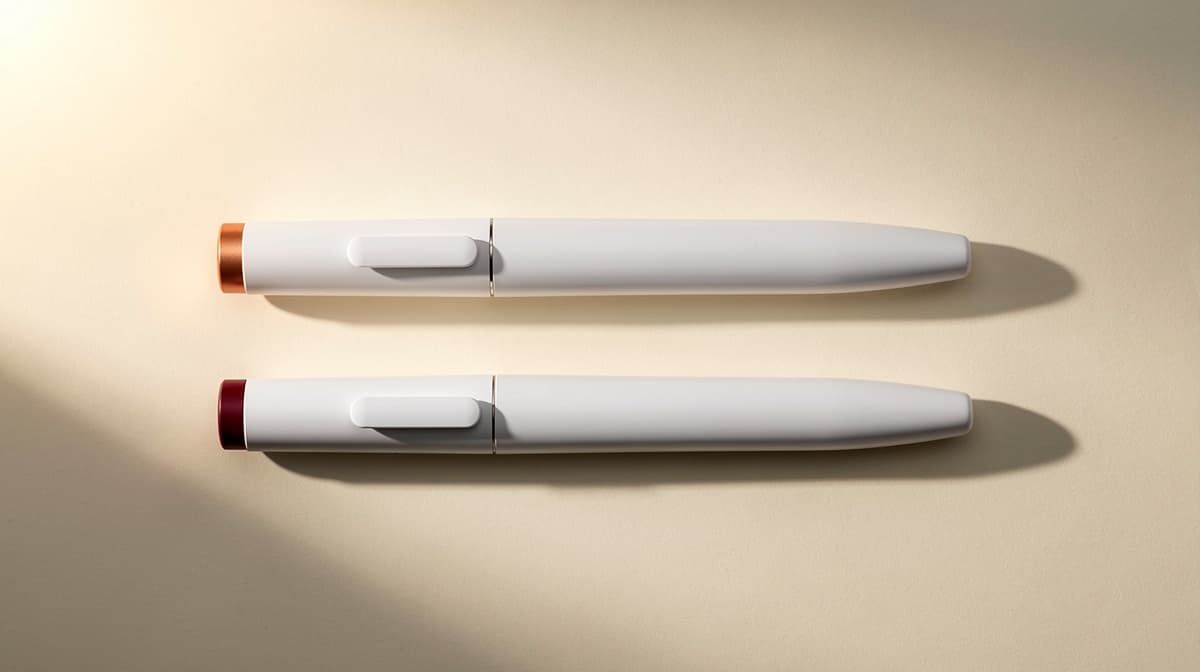
Mounjaro and Zepbound are the same drug. Both are tirzepatide, made by Eli Lilly, injected once a week in the same six strengths from 2.5 mg to 15 mg, on the same four-week dose escalation. What differs is the FDA label. Mounjaro is approved for type 2 diabetes, in adults and children 10 and older, and for lowering cardiovascular risk in adults with type 2 diabetes. Zepbound is approved for chronic weight management in adults and for moderate to severe obstructive sleep apnea in adults with obesity. That label decides who can be prescribed which brand, what insurance is likely to cover, and which trials back each use. Neither brand is better for weight loss, because the molecule is identical.
Key takeaways#
- Same active ingredient (tirzepatide), same manufacturer, same strengths (2.5, 5, 7.5, 10, 12.5 and 15 mg) and the same 2.5 mg start with steps every four weeks.
- Mounjaro's FDA label covers type 2 diabetes (adults and children 10 and older, maximum 10 mg in children) and cardiovascular risk reduction in adults with type 2 diabetes. Zepbound's covers chronic weight management and obstructive sleep apnea in adults with obesity.
- Zepbound's weight data come from SURMOUNT-1: 15.0%, 19.5% and 20.9% average weight loss at 72 weeks on 5, 10 and 15 mg, against 3.1% on placebo.
- In people with type 2 diabetes the weight loss is smaller: 12.8% and 14.7% on 10 and 15 mg in SURMOUNT-2, against 3.2% on placebo.
- Never use both. The Zepbound label states that it should not be combined with other tirzepatide products or any GLP-1 receptor agonist.
One molecule, two brand names#
Tirzepatide activates two hormone receptors, GIP and GLP-1, which together slow stomach emptying, reduce appetite and improve insulin release after meals. The Mounjaro prescribing information and the Zepbound prescribing information describe the same active ingredient, in the same 0.5 mL single-dose pens and vials, plus multi-dose presentations. For how the dual-receptor action translates into appetite and weight effects, see how Zepbound works.
The split into two brands is a regulatory one, the same pattern as semaglutide sold as Ozempic for diabetes and Wegovy for weight management (covered in Ozempic vs Wegovy). Mounjaro was approved first, in 2022, for type 2 diabetes. When Lilly sought a weight-management indication, it was approved under a second brand name, Zepbound, so that the diabetes product and the obesity product carry separate labels, separate trial programs and separate coverage decisions.

The labels are the real difference#
| Mounjaro | Zepbound | |
|---|---|---|
| Active ingredient | Tirzepatide | Tirzepatide |
| FDA-approved uses | Type 2 diabetes (adults and children 10+); cardiovascular risk reduction in adults with type 2 diabetes | Chronic weight management in adults; moderate to severe obstructive sleep apnea in adults with obesity |
| Starting dose | 2.5 mg weekly for 4 weeks | 2.5 mg weekly for 4 weeks |
| Dose steps | +2.5 mg after at least 4 weeks | +2.5 mg after at least 4 weeks |
| Maintenance doses | 5 to 15 mg (adults), up to 10 mg (children) | 5, 10 or 15 mg (weight); 10 or 15 mg (sleep apnea) |
| Maximum dose | 15 mg weekly | 15 mg weekly |
| Pivotal trials | SURPASS program (diabetes) and a cardiovascular outcomes trial | SURMOUNT program, including SURMOUNT-OSA |
Both labels describe the 2.5 mg dose as a starting dose only, not a treatment dose. Both escalate in 2.5 mg steps after at least four weeks, to a maximum of 15 mg a week in adults. The Mounjaro label adds a pediatric ceiling of 10 mg, since its approval was extended to children 10 and older with type 2 diabetes in December 2025. The full week-by-week ladder is drawn in Klarovel's GLP-1 escalation figure, and the tirzepatide calculator converts a prescribed dose into pen or vial terms.
The indication matters in practice because insurers usually decide coverage by diagnosis. A plan may cover Mounjaro for type 2 diabetes and restrict or exclude drugs prescribed for weight management, which is why the same molecule can cost a patient very different amounts depending on the brand on the prescription. Coverage rules vary by plan and change often, so the label is the only stable part of that picture.
What the trials show for each brand#
Zepbound's weight-loss evidence comes from SURMOUNT-1, published in the New England Journal of Medicine. It enrolled 2,539 adults with obesity, or overweight with a weight-related condition, and without diabetes. After 72 weeks, average weight loss was 15.0% on 5 mg, 19.5% on 10 mg and 20.9% on 15 mg, against 3.1% on placebo. Half the participants on 10 mg and 57% on 15 mg lost at least 20% of their body weight.
SURMOUNT-1 · 2,539 adults · 72 weeks
Average weight loss on tirzepatide by maintenance dose
Every maintenance dose of Zepbound's label beat placebo by a wide margin; 10 mg and 15 mg were close.
People with type 2 diabetes lose less weight on the same drug, a pattern also seen with semaglutide. SURMOUNT-2, published in The Lancet, gave tirzepatide to 938 adults with obesity and type 2 diabetes. Average weight loss at 72 weeks was 12.8% on 10 mg and 14.7% on 15 mg, against 3.2% on placebo, and nearly half the treated participants reached an HbA1c below 5.7%.
Mounjaro's own trial program, SURPASS, measured blood sugar first. Weight fell in those trials too, but they were designed around HbA1c, so for weight outcomes in people with diabetes SURMOUNT-2 is the better reference. Research suggests the difference between the two populations reflects diabetes itself, not the brand: the drug, dose and schedule are the same.
Side effects and safety are identical#
Because the drug is the same, so is the safety profile. Both labels carry the same boxed warning: tirzepatide caused thyroid C-cell tumors in rats, it is unknown whether it does so in humans, and it is contraindicated in anyone with a personal or family history of medullary thyroid carcinoma or with MEN 2. The most common side effects are gastrointestinal, mainly nausea, diarrhea, vomiting and constipation, and they are associated with dose increases, which is why both labels escalate slowly. Both labels also warn about pancreatitis, gallbladder disease, dehydration-related kidney injury and reduced effect of oral contraceptives for four weeks after starting and after each dose increase.
Switching between Mounjaro and Zepbound#
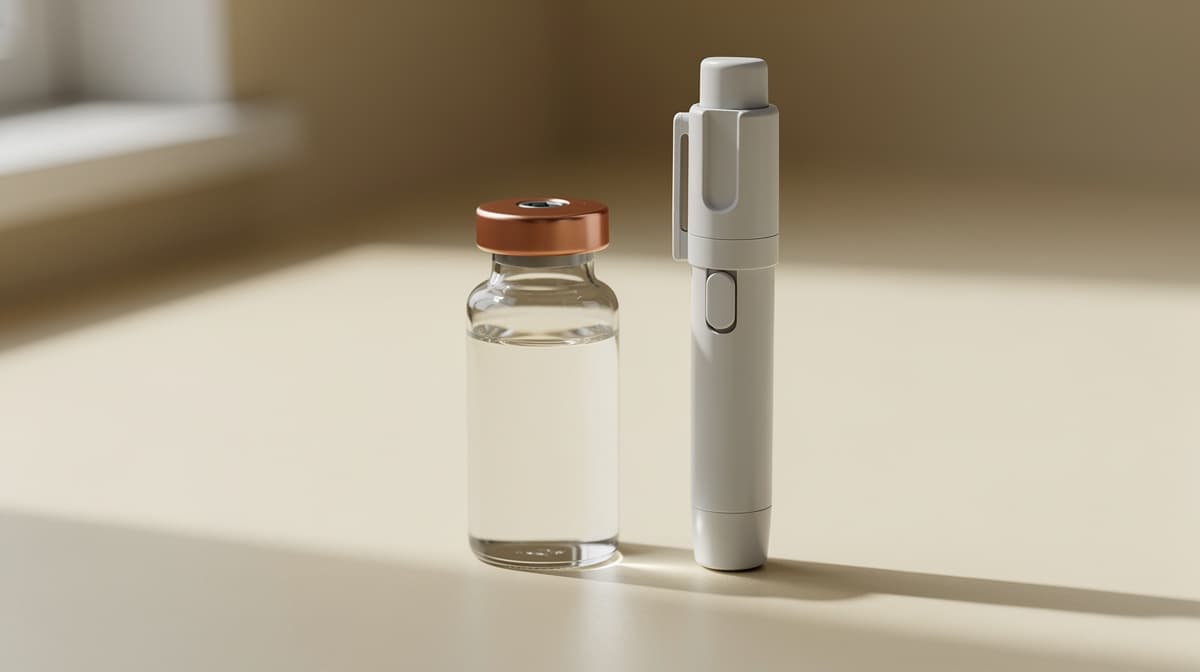
The strengths are identical, so moving from one brand to the other does not require converting a dose; 7.5 mg of Mounjaro is 7.5 mg of tirzepatide, exactly as 7.5 mg of Zepbound is. A switch is a new prescription under the other brand's indication, which is a decision for the prescriber, often driven by a diagnosis change or by insurance. What a patient must never do is take both: the Zepbound label states that it should not be combined with other tirzepatide-containing products or with any GLP-1 receptor agonist, and doubling up doubles the dose.
Klarovel does not sell, prescribe or fulfil Mounjaro, Zepbound or any other medicine. For the full picture of tirzepatide dosing, see the tirzepatide guide, and for how it compares with the other weight-loss drugs, the GLP-1 medications compared guide.
The bottom line#
Mounjaro and Zepbound are one drug with two labels. Choose between them by indication, not by expected results: Mounjaro for type 2 diabetes, Zepbound for weight management or obstructive sleep apnea, with the same doses, the same side effects and the same safety warnings either way. Studies have shown that the weight loss you can expect depends far more on the dose you reach and on whether you have type 2 diabetes than on the name on the pen. Klarovel's disclosures explain how the platform is funded.
Frequently asked questions
Keep reading
Peptides for Inflammation: Mapping BPC-157, KPV, and Thymosins
Peptides for inflammation compared by mechanism and evidence stage: BPC-157, KPV, thymosin alpha-1, and thymosin beta-4, with FDA status and safety notes.
Rybelsus for Weight Loss: Not Approved, and the Pill That Is
Rybelsus is not FDA-approved for weight loss and moves the scale only a little. The oral semaglutide approved for weight loss is the Wegovy pill at 25 mg.
Peptides for Testosterone: Which Axis Actually Works
Most peptides for testosterone act on the growth hormone axis and never touch LH. Here is which compounds have measured serum testosterone in men.